



The Era of Narendra Modi
As you observe the global geopolitical landscape and India’s evolving role within it, you’ll undoubtedly encounter the prominent figure of Narendra Modi. His tenure as Prime Minister has been characterized by a distinct vision for ‘New India’ initiatives, aimed at transforming the nation across multiple dimensions. His leadership has ushered in a period of significant policy shifts and ambitious projects, leaving an indelible mark on India’s social, economic, and political fabric.
Who is Narendra Modi? A Brief Overview
Narendra Damodardas Modi, born in Vadnagar, Gujarat, has served as the 14th and current Prime Minister of India since 2014. Before assuming the nation’s top executive role, he was the Chief Minister of Gujarat for over 12 years, a testament to his enduring presence and influence in Indian politics. Known for his robust administrative style and compelling oratory, he has become a defining force in contemporary India.
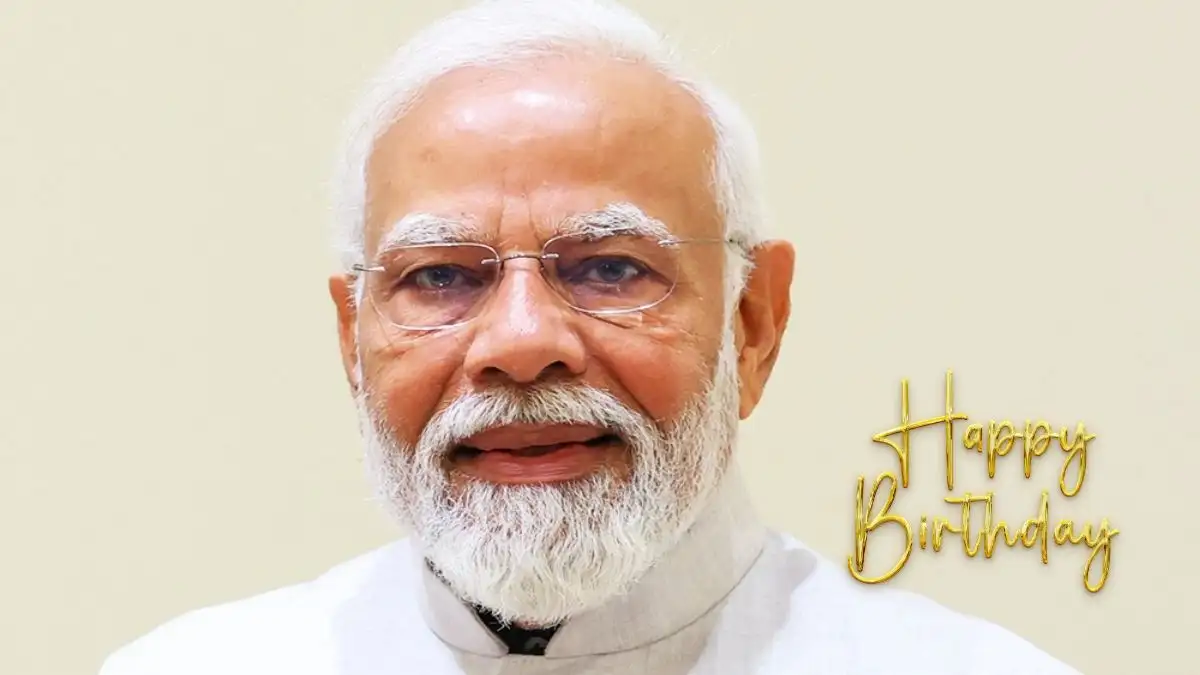
A Decade of Transformative Leadership: Vision for ‘New India’
Over the past decade, Prime Minister Modi has articulated a comprehensive vision for ‘New India’, emphasizing inclusive growth, digital empowerment, and global engagement. His initiatives are designed to propel India towards becoming a developed nation by 2047, the centenary of its independence. This ambitious agenda encompasses everything from economic reforms and infrastructure development to social welfare and environmental conservation, seeking to uplift every segment of society and enhance India’s standing on the world stage.
Early Life and Political Journey
Biography of PM Modi’s Early Life and Formative Years
Narendra Modi’s early life began in humble surroundings, shaped by the values of a lower-middle-class family. Born on September 17, 1950, he helped his father sell tea at the Vadnagar railway station during his childhood. His formative years were marked by an early inclination towards public service and nationalism, leading him to join the Rashtriya Swayamsevak Sangh (RSS) at a young age. This period instilled in him a disciplined approach and a strong ideological foundation that would later define his political career. He became a full-time ‘pracharak’ (propagator) of the RSS in 1971, dedicating himself to the organization’s principles and activities.
From RSS Pracharak to Chief Minister of Gujarat
Modi’s journey from an RSS pracharak to a political leader saw him rise through the ranks, demonstrating exceptional organizational skills and strategic acumen. He formally joined the Bharatiya Janata Party (BJP) in 1987, quickly becoming a key strategist. His political ascent culminated in 2001 when he was appointed the Chief Minister of Gujarat. During his 12-year tenure, Gujarat experienced significant economic growth and industrialization, a period often cited by his supporters as a model of governance and development.
Economic Reforms and Growth Agenda
You have witnessed the Modi government economic reforms, which have been a cornerstone of its agenda, aiming to steer India towards sustained economic growth and stability.
Modi Government Economic Reforms: Pathways to Growth
The Modi government has implemented several far-reaching economic reforms designed to simplify regulations, attract investment, and boost economic activity. These reforms include initiatives aimed at improving the ease of doing business, liberalizing foreign direct investment (FDI) policies, and focusing on fiscal prudence. The government’s approach has often emphasized a blend of market-oriented policies with targeted interventions to support vulnerable sectors.
Make in India: Boosting Domestic Manufacturing Growth and Self-Reliance
The “Make in India” initiative, launched in 2014, has been pivotal in encouraging domestic manufacturing and reducing reliance on imports. Its objective is to transform India into a global manufacturing hub by attracting foreign investment and fostering innovation. The program focuses on 25 key sectors, from automobiles to electronics, and has been instrumental in boosting domestic manufacturing growth. The progress of Make in India has seen significant efforts in promoting local production and job creation.
| Sector | Key Achievements (Late 2024-Early 2025 Estimates) | Impact |
|---|---|---|
| Electronics Manufacturing | Increased local assembly and component production | Reduced import bill, job creation |
| Defence Production | Enhanced indigenization, private sector participation | Boost to self-reliance in defence |
| Automobile Manufacturing | Growth in electric vehicle production capacity | Attracting green investments |
Impact of GST Implementation by Modi Government
The Goods and Services Tax (GST), implemented by the Modi government in 2017, was a landmark reform aimed at streamlining India’s indirect tax structure. The impact of GST implementation by Modi government has been profound, creating a unified national market and simplifying tax compliance for businesses. While initial implementation faced challenges, it has since contributed to greater transparency, reduced cascading taxes, and improved logistics efficiency. Recent reports indicate continued revenue growth and stabilization of the system.
Infrastructure Development Projects under Modi (2024-2025 Updates)
Infrastructure development projects under Modi have been a high priority, with massive investments poured into roads, railways, ports, and airports. Key projects continue to be advanced, focusing on enhancing connectivity and driving economic growth. For instance, the National Infrastructure Pipeline (NIP) outlines projects worth trillions of rupees, with ongoing developments in high-speed rail corridors, extensive highway networks like the Bharatmala Pariyojana, and port modernization under Sagarmala. As of late 2024 and early 2025, the focus remains on accelerating project completion and integrating multi-modal logistics.
Financial Inclusion and Digital Economy
A significant thrust of the Modi government has been towards financial inclusion, leveraging technology to bring banking services to the unbanked. The Jan Dhan Yojana has opened millions of bank accounts, while the Unified Payments Interface (UPI) has revolutionized digital transactions, making India a global leader in real-time digital payments. This focus on the digital economy aims to ensure that financial services are accessible to all, fostering transparency and reducing corruption.
Social Welfare and Inclusive Development
Narendra Modi Welfare Schemes List: Reaching the Last Mile
The Narendra Modi welfare schemes list is extensive, reflecting a commitment to inclusive development and ensuring that government benefits reach the most vulnerable sections of society. These schemes cover a wide array of areas, from housing and sanitation to health and financial assistance, aiming to uplift communities across the nation.
Ayushman Bharat Health Scheme Benefits and Expansion (2024-2025)
The Ayushman Bharat health scheme benefits have been transformative for millions of Indians, providing health insurance cover of up to ₹5 lakh per family per year for secondary and tertiary care hospitalization. As of late 2024 and early 2025, the scheme continues its expansion, aiming to cover more beneficiaries and integrate additional healthcare services. Its two main pillars, Pradhan Mantri Jan Arogya Yojana (PMJAY) and Health and Wellness Centres (HWCs), are critical to providing comprehensive primary healthcare closer to communities.
PM Kisan Samman Nidhi Scheme Details and Farmer Empowerment
The PM Kisan Samman Nidhi scheme details reveal a direct income support program for farmers, providing ₹6,000 per year in three equal installments. This scheme aims to supplement farmers’ financial needs and empower them, particularly small and marginal farmers, by providing a direct cash benefit. It has been a crucial step towards farmer welfare and reducing agrarian distress.
Swachh Bharat Abhiyan: Impact Assessment and Continued Focus
The Swachh Bharat Abhiyan, or Clean India Mission, launched in 2014, aimed to achieve universal sanitation coverage. The Swachh Bharat Abhiyan impact assessment indicates significant progress in constructing household toilets and declaring many areas Open Defecation Free (ODF). While initial targets were met, the continued focus is on sustaining these achievements, managing solid and liquid waste, and promoting behavioral change for long-term cleanliness and hygiene.
Women Empowerment Schemes by Modi Government and Nari Shakti
The Modi government has prioritized women empowerment schemes, recognizing the crucial role of ‘Nari Shakti’ (women power) in national development. Programs like Beti Bachao, Beti Padhao (Save the Daughter, Educate the Daughter) address gender-based discrimination and promote girls’ education. Other initiatives focus on women’s safety, economic independence through skill development, and entrepreneurial opportunities, aiming to create a more equitable society.
Education Reforms Under Narendra Modi: Skill India Mission Objectives and Achievements
Education reforms under Narendra Modi have emphasized accessibility, quality, and skill development, notably through the National Education Policy (NEP) 2020. Complementing this, the Skill India mission objectives and achievements focus on vocational training and enhancing the employability of India’s youth. The mission aims to provide industry-relevant skills, bridge the gap between education and employment, and foster an entrepreneurial ecosystem. Recent reports highlight increased participation in skill development programs and partnerships with industry.
Narendra Modi’s Rural Development Focus and Initiatives
Narendra Modi’s rural development focus has been comprehensive, aiming to uplift rural communities through various initiatives. Schemes like the Pradhan Mantri Awas Yojana (Gramin) provide housing for the rural poor, while the Deendayal Antyodaya Yojana-National Rural Livelihoods Mission (DAY-NRLM) empowers rural women through self-help groups. These programs, alongside efforts to improve rural infrastructure and connectivity, are central to enhancing the quality of life in rural India.
| Welfare Scheme | Primary Objective | Estimated Beneficiaries (Late 2024) |
|---|---|---|
| Ayushman Bharat PMJAY | Health insurance for secondary/tertiary care | Over 300 million e-cards issued |
| PM Kisan Samman Nidhi | Direct income support to farmers | Over 110 million farmer families |
| Pradhan Mantri Awas Yojana (G) | Housing for rural poor | Millions of houses sanctioned/completed |
| Jan Dhan Yojana | Financial inclusion, bank accounts for unbanked | Over 500 million bank accounts opened |
Governance and Digital Transformation
Digital India Mission Progress Report and Digital Public Infrastructure (DPI)
The Digital India mission progress report showcases significant strides in transforming India into a digitally empowered society and knowledge economy. The mission focuses on three key vision areas: digital infrastructure as a core utility, governance and services on demand, and digital empowerment of citizens. The development of Digital Public Infrastructure (DPI), such as Aadhaar, UPI, and the Open Network for Digital Commerce (ONDC), has been pivotal, establishing foundational layers for a cashless, faceless, and paperless governance model. Recent data indicates robust growth in digital transactions and penetration of internet services.
Administrative Reforms and Ease of Living
Administrative reforms under the Modi government have aimed at improving governance, increasing transparency, and enhancing the ease of living for citizens. Efforts include simplifying bureaucratic processes, digitizing government services, and promoting citizen-centric governance. These reforms are intended to reduce red tape, improve service delivery, and make government more accountable and accessible to the common person.
Foreign Policy and Global Stature
PM Modi’s Foreign Policy Achievements and International Relations Strategy (2024-2025)
PM Modi’s foreign policy achievements have significantly elevated India’s global stature. His international relations strategy is characterized by proactive engagement, multi-alignment, and a focus on India’s strategic interests. India has deepened ties with major global powers while simultaneously strengthening relationships with countries in its immediate neighborhood and the Global South. Diplomatic efforts in late 2024 and early 2025 continued to focus on economic partnerships, defence cooperation, and addressing global challenges like climate change and terrorism.
India’s G20 Presidency Outcomes Under Modi: A Global Leadership Moment
India’s G20 presidency outcomes under Modi in 2023 were a significant global leadership moment. The presidency focused on themes such as “Vasudhaiva Kutumbakam” (One Earth, One Family, One Future) and successfully fostered consensus on critical issues, including climate finance, sustainable development goals, and digital public infrastructure. The inclusion of the African Union as a permanent member of the G20 was a notable achievement, reflecting India’s commitment to amplifying the voice of the Global South.
Strengthening Bilateral and Multilateral Engagements
Under Modi’s leadership, India has actively strengthened its bilateral and multilateral engagements. You’ve seen enhanced strategic partnerships with countries like the US, Japan, Australia (Quad), and key European nations. Simultaneously, India has played a crucial role in multilateral forums such as the UN, SCO, and BRICS, advocating for a reformed multilateral system and a greater say for developing countries.
Defence and National Security
India’s Defence Policy Under Modi: Modernization and Indigenization (2024 Updates)
India’s defence policy under Modi has prioritized modernization and indigenization to enhance national security capabilities. The government has significantly increased the defence budget and focused on domestic manufacturing of defence equipment under the ‘Make in India’ initiative. As of 2024, there is a continued emphasis on acquiring advanced technologies, upgrading existing military platforms, and fostering a robust domestic defence industrial base to reduce reliance on foreign imports.
Modi Government’s Space Program Advancements
The Modi government’s space program advancements have been remarkable, pushing India to the forefront of space exploration and technology. The Indian Space Research Organisation (ISRO) has achieved significant milestones, including successful lunar missions (Chandrayaan) and ambitious plans for human spaceflight (Gaganyaan). The government has also encouraged private sector participation in the space industry, aiming to unlock its full economic and strategic potential.
Environmental Conservation and Sustainable Development
Narendra Modi’s Environmental Conservation Efforts and Climate Action
Narendra Modi’s environmental conservation efforts and commitment to climate action have been a significant aspect of his policy agenda. India has actively participated in international climate forums, pledging ambitious targets for renewable energy and emissions reduction. Domestically, initiatives like the National Clean Air Programme and the Swachh Bharat Abhiyan’s focus on waste management reflect a holistic approach to environmental protection.
Modi Government’s Stance on Renewable Energy and Green Initiatives (2024-2025)
The Modi government’s stance on renewable energy has been unequivocally supportive, positioning India as a global leader in the transition to clean energy. You’ve seen massive investments in solar and wind power, with ambitious targets to increase renewable energy capacity. As of 2024-2025, the focus continues on accelerating the adoption of renewable sources, promoting green hydrogen, and implementing policies that support sustainable development goals, aligning with India’s international climate commitments.
Leadership Style and Communication
Narendra Modi Leadership Style Analysis
A Narendra Modi leadership style analysis reveals a decisive, centralized, and often charismatic approach. His leadership is characterized by a strong emphasis on implementation, clear articulation of national goals, and a direct appeal to the populace. He is known for his hands-on involvement in policy formulation and execution, often setting ambitious targets for his administration.
Narendra Modi’s Communication Strategies and Public Outreach
Narendra Modi’s communication strategies are a defining feature of his political persona. He effectively utilizes traditional and new media, including extensive use of social media, to connect directly with citizens. His public outreach often involves large rallies, town halls, and his monthly radio address ‘Mann Ki Baat,’ which allows him to articulate his vision and policies to a broad audience, fostering a sense of direct engagement.
PM Modi’s Speeches and Quotes on Development: Articulating the Vision
PM Modi’s speeches and quotes on development consistently articulate his vision for a prosperous and strong India. He frequently emphasizes themes of good governance, inclusive growth, technological advancement, and national pride. His rhetoric often inspires a sense of collective responsibility and national purpose, rallying support for his government’s initiatives and outlining a clear path for India’s future trajectory.
Frequently Asked Questions
When can we expect the removal of Article 370?
Article 370, which granted special status to Jammu and Kashmir, was effectively abrogated by the Indian government on August 5, 2019. This decision removed the special provisions and divided the state into two Union Territories: Jammu and Kashmir, and Ladakh. Therefore, the question of when to expect its removal is no longer relevant as it has already been abrogated.
What about a uniform civil code?
A Uniform Civil Code (UCC) aims to provide a single set of laws governing personal matters like marriage, divorce, inheritance, and adoption for all citizens, irrespective of their religion. The Bharatiya Janata Party (BJP) has long advocated for its implementation, viewing it as a step towards national integration and gender justice. The debate around a UCC in India is ongoing, with proponents arguing for equality and secularism, while opponents raise concerns about religious freedom and cultural diversity. As of early 2025, there are continuous discussions and legal considerations, but nationwide implementation requires significant legislative and social consensus.
What has been done to curb mob lynching?
The Indian government has condemned mob lynching incidents and emphasized that law and order are state subjects, meaning individual state governments are primarily responsible for preventing and prosecuting such crimes. The Supreme Court of India has also issued directives to the central and state governments to take preventive, remedial, and punitive measures to address mob lynching. While specific central legislation exclusively for mob lynching has not been passed, existing laws, including sections of the Indian Penal Code, are used to prosecute those involved. The government has stressed the importance of public awareness campaigns and swift justice to curb these incidents.
What measures are being taken for the safety of women in the country?
The Modi government has implemented several measures for the safety of women in the country. Key initiatives include the ‘Nirbhaya Fund’ to support projects for women’s safety, the establishment of ‘One Stop Centres’ to provide integrated support to women affected by violence, and the emergency helpline number 112. The government has also introduced stricter laws against sexual offenses and launched awareness campaigns like ‘Beti Bachao, Beti Padhao’ which indirectly contribute to a safer environment by promoting girls’ education and gender equality. Emphasis is also placed on strengthening police response and forensic capabilities.
What happened to the promise of bringing back black money?
The promise of bringing back black money stashed abroad was a significant electoral pledge by the BJP. The government has taken several steps in this direction, including enacting the Black Money (Undisclosed Foreign Income and Assets) and Imposition of Tax Act, 2015. It has also actively pursued international cooperation, signing agreements and protocols for the exchange of tax information with various countries to enhance transparency and combat illicit financial flows. While substantial amounts have been identified and brought under the tax net, and efforts to curb black money generation domestically continue, the complete repatriation of all black money remains a complex and ongoing international challenge.
Why is the PM CARES Fund unaudited?
The PM CARES Fund is a public charitable trust established to deal with emergency or distress situations, like the COVID-19 pandemic. It is audited by an independent auditor appointed by the trustees, as specified in its deed. However, it is not subject to audit by the Comptroller and Auditor General of India (CAG), unlike government funds, because it is structured as a public charitable trust and not a government fund. This distinction has been a point of contention and discussion, with the government maintaining that the fund operates with transparency and accountability.
What is the government doing to address rising anti-India sentiment among Kashmiris?
The government’s approach to addressing sentiment in Kashmir involves a multi-pronged strategy. Following the abrogation of Article 370, the focus has been on integrating Jammu and Kashmir more fully with the rest of India, promoting economic development, and ensuring good governance. Initiatives include significant infrastructure projects, boosting tourism, generating employment opportunities for youth, and promoting local self-governance through Panchayat elections. The government also emphasizes counter-terrorism operations to maintain security while simultaneously aiming to foster peace, stability, and inclusive growth in the region.
Conclusion
Assessing Modi’s Legacy and India’s Future Trajectory
As you reflect on Narendra Modi’s tenure, it is clear that his leadership has profoundly shaped India’s current trajectory. From ambitious economic reforms and robust infrastructure development projects under Modi to an extensive Narendra Modi welfare schemes list aimed at inclusive growth, his government has pursued a transformative agenda. His foreign policy achievements have elevated India’s global standing, while the Digital India mission progress report showcases a nation embracing technological advancement. The Modi government economic reforms and the Make in India manufacturing growth initiatives have sought to reposition India as a global economic powerhouse.
Looking ahead, Modi’s vision for ‘New India’ initiatives continues to guide policy, with an ongoing emphasis on sustainability, national security (India’s defence policy under Modi, Modi government’s space program advancements), and human development (Education reforms under Narendra Modi, Skill India mission objectives and achievements). While the impact of GST implementation by Modi government and the Swachh Bharat Abhiyan impact assessment demonstrate significant policy shifts, the future will test the long-term sustainability and equitable distribution of these gains. Ultimately, Narendra Modi’s leadership style analysis reveals a leader determined to forge a distinctive path for India, with his communication strategies effectively articulating PM Modi’s speeches and quotes on development, setting the stage for India’s continued evolution on the global stage.
Technical Glossary
Geopolitical Landscape: The political relationships and influences between countries or regions.
New India’ initiatives : A set of policies and projects championed by PM Modi aimed at transforming India across various sectors by 2047.
Rashtriya Swayamsevak Sangh (RSS) : A right-wing Hindu nationalist paramilitary volunteer organization in India, considered the parent organization of the BJP.
Bharatiya Janata Party (BJP) : One of the two major political parties in India, currently the ruling party, known for its Hindu nationalist ideology.


Leave a Comment