
Hearing that you have fat in your liver can be confusing, especially if you rarely drink alcohol. You may leave the appointment wondering whether you need to give up bread, start a strict diet, or buy a supplement advertised online.
A useful starting point is a Mediterranean-style eating pattern, adapted to your health needs and the foods you enjoy. Clinical guidance supports better diet quality as part of fatty liver care, alongside physical activity and treatment of related conditions.
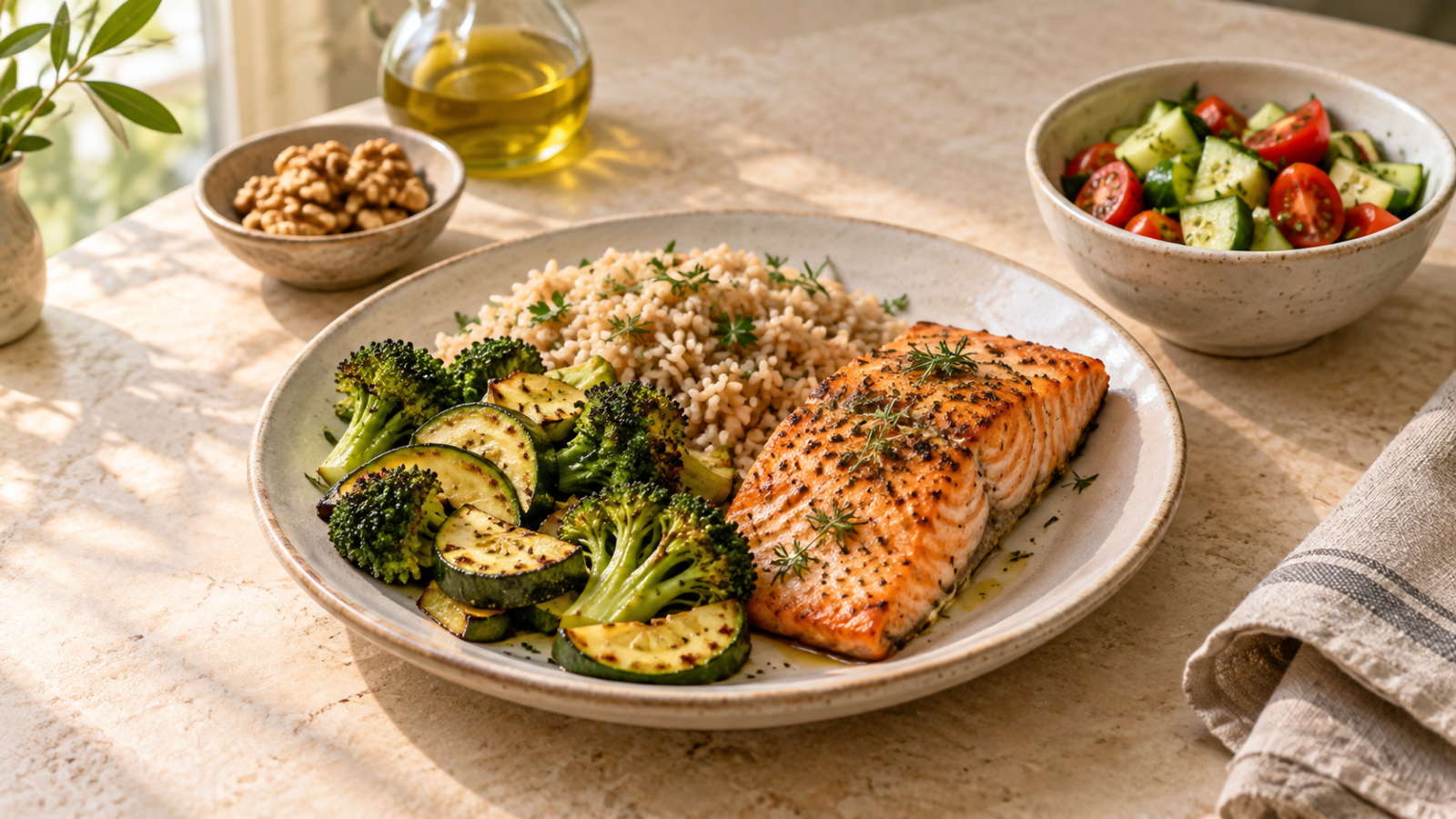
For everyday meals, that can mean vegetables, beans, fish, olive oil, nuts, and sensible portions of other foods. A plan you can shop for, cook, and repeat gives you something concrete to work with.
The next step is understanding what your diagnosis means. The amount of liver fat, the presence of scarring, and your other health conditions all help your clinician decide what care you need.
What fatty liver means
Fatty liver describes excess fat stored in liver cells. Many people encounter the older name, nonalcoholic fatty liver disease, or NAFLD, on reports and health websites.
The newer term MASLD means metabolic dysfunction-associated steatotic liver disease. It describes liver fat associated with metabolic risk factors, such as problems with blood sugar, blood pressure, or body weight.
Some people also develop liver inflammation and cell injury, called MASH. That inflammation can lead to fibrosis, the medical term for scarring, and in some cases to cirrhosis.
A finding of liver fat doesn’t automatically mean advanced liver damage. Your individual risk needs assessment, and the amount of scarring is an important part of that conversation.
Bring the actual report to your appointment. Ask what was found, whether further testing is needed, and when you should return, rather than trying to judge severity from a phrase on an ultrasound report.
Why alcohol is only part of the assessment
People who drink little or no alcohol can develop fatty liver. Diabetes, insulin resistance, genes, and other factors can contribute.
Tell your clinician honestly about alcohol, medicines, and supplements. That information helps them consider different causes and choose suitable advice.
Avoid adding wine because you’ve heard it’s part of Mediterranean eating. Your liver diagnosis deserves its own alcohol guidance; people with advanced fibrosis or cirrhosis should abstain.
How insulin resistance fits into the picture
Insulin helps glucose move from the blood into cells for energy. When cells respond poorly to insulin, the pancreas may need to produce more of it, and blood glucose can eventually rise.
This helps explain why fatty liver and type 2 diabetes often appear together. It also explains why a review of blood sugar belongs alongside a review of liver health.
The process is more complicated than saying that every carbohydrate turns into liver fat. A clinician needs to consider the broader pattern, including your medical history, rather than blaming a single food.
For your own planning, write down what you eat and drink over a few ordinary days. Include the sweetened coffee on the way to work, the afternoon snack, and the drinks that don’t feel like part of a meal.
Use that record to find manageable changes. It can also give a dietitian a much clearer starting point than a general statement that you eat well.
What the Mediterranean diet research actually found
One relevant study is the CENTRAL trial. It followed 278 adults with abdominal obesity or abnormal blood lipids for 18 months and compared a low-fat diet with a Mediterranean, lower-carbohydrate diet that included 28 grams of walnuts daily. Participants were also assigned with or without a moderate physical activity program.
Researchers used MRI to measure liver fat. The Mediterranean, lower-carbohydrate group had a greater reduction than the low-fat group.
That result supports this approach as an option. The study didn’t establish that everyone needs a grain-free diet or that improvements last permanently after someone stops the eating plan.
It also measured liver fat over a defined period. Claims about guaranteed lifelong protection from liver disease go beyond that evidence.
When choosing an eating plan, ask a practical question: could you still follow it during a busy workweek, a family visit, or a month when money is tight? Write down any parts that would make that difficult and discuss alternatives.
Do you have to remove all grains?
Whole grains can fit into a fatty liver eating plan. NIDDK dietary advice includes whole grains, vegetables, and most fruits among lower-glycemic food choices.
You might choose oats at breakfast, a modest portion of brown rice at lunch, or whole-grain bread with a meal. The suitable portion depends on your overall food intake, blood sugar, and individual needs.
If your clinician recommends reducing carbohydrates, ask what that means in meals you actually eat. Request examples and portions instead of leaving with a rule that’s hard to interpret.
Keep the change specific
Suppose lunch is usually a large serving of rice with a small amount of vegetables. One possible adjustment is to serve less rice and make room for vegetables and a protein food.
Another person may find that sweet drinks and frequent bakery snacks are the easier place to start. Their first change could look quite different.
Choose one routine meal and write out the revised version. Include the ingredients and how you’ll prepare it, so the plan is ready before you get hungry.
Build a meal you can repeat
The following meal ideas put the general food pattern into everyday cooking. They aren’t a prescription, and portions should be adjusted for appetite, treatment goals, allergies, and any medical restrictions.
Start with vegetables you enjoy
Choose vegetables you already know how to cook. Roasted cauliflower, sautéed cabbage, green beans, carrots, spinach, cucumber, and tomatoes give you plenty of options.
Keep the preparation simple enough for a weekday. A tray of vegetables can cook while you prepare fish, and a cucumber salad can be assembled while lentils heat on the stove.
If fresh produce often goes unused, try frozen vegetables for some meals. Put the next day’s choice near the front of the freezer so it’s easy to find.
Give protein a clear place in the meal
Possible choices include fish, eggs, chicken, tofu, lentils, beans, or plain yogurt. Choose what fits your preferences and any instructions from your care team.
For example, pack a bean salad for lunch, cook eggs with vegetables for breakfast, or prepare fish with lemon for dinner. A vegetarian household could use lentil soup and tofu dishes across the week.
When cooking for several people, let everyone use the same main ingredients. Different serving sizes are often easier to manage than preparing a separate dinner for one person.
Use fats deliberately
Olive oil and foods containing unsaturated fats can be part of the pattern. NIDDK recommends replacing saturated and trans fats with unsaturated fats in fatty liver care.
For cooking, pour oil into a spoon before adding it to the pan. For a snack, put nuts in a small bowl before sitting down.
These are portioning ideas you can try without weighing every ingredient. If they feel awkward, ask your dietitian for another method that fits your routine.
Make flavor part of the plan
Keep a few seasonings ready: lemon, garlic, cumin, pepper, herbs, or spices you already use. Change the seasoning across the week so repeated ingredients don’t mean identical meals.
For example, use lemon and herbs with fish one evening, then cumin and garlic in a bean dish the next. The shopping list can stay short while dinner still has some variety.
Start with the drinks you have every day

Reducing sugar-sweetened drinks is part of recommended MASLD care. If you regularly drink soda, sweetened tea, or sweetened coffee, choosing a replacement is a useful first task.
Put water where you normally keep your usual drink. Try chilled water, unsweetened tea, or plain sparkling water, according to your taste.
If you add sugar to tea yourself, measure what you currently use. You can then decide on a specific reduction rather than guessing each time.
Fruit juice is another drink to review. A label saying that it contains no added sugar doesn’t mean it contains no sugar.
Keep whole fruit in the conversation
Most whole fruits can fit into the eating pattern described in NIDDK advice. If you have diabetes, discuss portions and timing within your wider meal plan.
A practical snack could be an apple with a small serving of nuts, or plain yogurt with berries. Choose fruit you enjoy and can afford; there’s no need to buy an unfamiliar ingredient for the sake of a diet label.
A sample day of meals
This is an example of how the food choices could fit together. It doesn’t set a calorie target or a carbohydrate allowance.
Breakfast
Prepare plain yogurt with a small serving of oats, chopped walnuts, and berries. Choose an unsweetened drink alongside it.
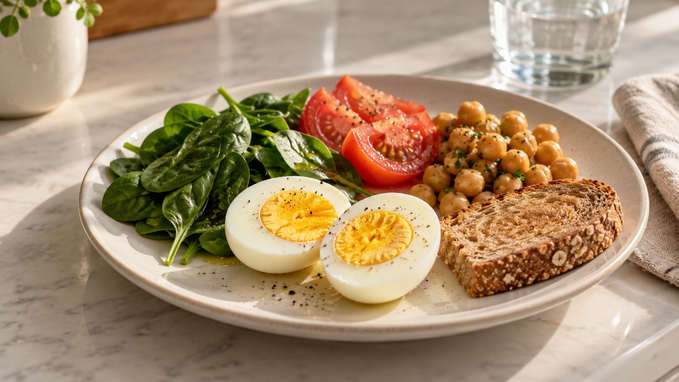
If you prefer a savory breakfast, try eggs with spinach and tomatoes. Add a portion of whole-grain toast if it suits your meal plan.
Lunch
Make a bowl with cucumber, tomatoes, leafy vegetables, and chickpeas. Dress it with lemon and a measured amount of olive oil.
You could add fish, chicken, or tofu according to your preferences. For a packed lunch, carry the dressing separately and mix it in when you’re ready to eat.
Dinner
Serve baked fish or lentil stew with cooked vegetables. Add an appropriate portion of brown rice or another grain if you want one.
Cook enough of one component for tomorrow. Leftover vegetables can go into lunch, and extra lentils can become a quick soup with water and seasoning.
Snacks, if needed
Keep a few easy choices available, such as whole fruit, plain yogurt, or a small portion of unsalted nuts. Pack a snack for a long day away from home if you know you’ll need one.
You can change every item in this example. The aim is to give your own shopping list a shape you can use.
How much weight loss can help?
For people with overweight or obesity, losing around 3% to 5% of starting body weight can reduce liver fat. Greater weight loss may help inflammation and scarring, although the response varies.
For someone weighing 200 pounds, 5% is 10 pounds. That’s a calculation to discuss with a clinician, rather than an automatic target for every reader.
Gradual change matters. NIDDK warns that rapid weight loss and malnutrition can worsen liver disease.
If your weight is already in a healthy range, or you’ve been losing weight without trying, ask for individual advice before reducing your food intake. The same applies if you’re frail or have advanced liver disease.
At your next appointment, ask for a realistic first goal and a review date. You should know how the plan will be assessed and who to contact if you’re struggling with it.
Make room for regular movement

Exercise can benefit fatty liver even when body weight changes little. AASLD guidance discusses regular moderate exercise totaling about 150 minutes weekly as a useful target, tailored to the person.
For someone able to manage it, that might mean 30 minutes on 5 days. You can work toward the target gradually if you’re currently inactive.
Choose an activity you can realistically repeat. Walking near home, swimming, cycling, or an activity class may fit different people.
Write the time and place into your week. “Walk after breakfast on Monday” gives you a clearer plan than “exercise more.”
If pain or limited mobility makes exercise difficult, ask for help choosing suitable activity. Keep the first step small enough that you can assess how you feel and build from there with guidance.
What your waist measurement can tell you
Waist size can help assess central body fat. NICE recommends using waist-to-height ratio alongside BMI in adults with BMI below 35, as a practical estimate of central adiposity.
Calculate it by dividing waist circumference by height, using the same units. For example, a waist of 85 centimeters and a height of 170 centimeters give a ratio of 0.5.
NICE’s general message is to aim for a waist smaller than half your height. This is a risk-assessment tool, not a direct measurement of liver fat or scarring.
A smaller waist cannot by itself prove that fatty liver has resolved. Ask your clinician which measures are useful for you, and avoid buying a body scan solely because a video calls it essential.
If you record your waist, use a consistent technique. Bring the trend to your appointment without treating small day-to-day differences as a diagnosis.
Follow-up needs more than a tape measure
Doctors use medical history, blood tests, and imaging to assess fatty liver. Blood-based scores such as FIB-4 can help assess the likelihood of advanced scarring, and elastography can measure liver stiffness.
Normal liver enzyme levels don’t always rule out significant disease. Ask your clinician how your results fit together and whether you need further assessment.
Useful appointment questions include:
- What does my report tell us about liver fat and scarring?
- Do I need a fibrosis assessment or specialist review?
- Which blood tests should be repeated, and when?
- Are my blood sugar, blood pressure, and cholesterol being managed?
- What changes would make you reconsider the treatment plan?
Write the answers down. If an instruction is unclear, ask for an example before leaving, especially when it involves food portions, medicines, or the timing of follow-up tests.
When medicines may be part of care
Some adults with more advanced MASH may be eligible for prescription treatment. In the United States, resmetirom and semaglutide have approvals for specified patients with noncirrhotic disease and moderate-to-advanced fibrosis.
Eligibility depends on the drug’s label, the person’s condition, and local availability. A specialist can explain whether a treatment applies and discuss its risks and monitoring.
Avoid substituting a commercial liver supplement for that assessment. Some herbal products can harm the liver, and supplements should be reviewed with your clinician.
Take a written list or photographs of the products you use. Include powders, vitamins, and remedies that you might otherwise forget to mention.
Also Read : What happens to your body when you eat eggs every day?
Make the next week easier to manage
Choose one breakfast, one packed lunch, and two dinners from foods you already enjoy. Write the ingredients on a shopping list and check what you have before buying more.
Decide which drink you’ll change first. Put the replacement within reach and make a plan for the place where you usually buy the original drink, such as a café or workplace canteen.
Pick a realistic time for movement on your calendar. If your first plan doesn’t fit the week, adjust the time or activity and try again.
Finally, gather your liver report and arrange the follow-up you’ve been advised to have. Bring your questions and a few days of meal notes so the conversation can lead to specific decisions.
Long-term care needs a routine that fits your life and a way to check your health. Start with tomorrow’s meals and a clear date for your next review.












Leave a comment